Heart Flagship

Transforming outcomes for infants, children and young adults with heart disease and heart failure.
Childhood heart disease and heart failure
There are two major types of childhood heart disease:
- Congenital heart disease where defects often develop before birth. Over 2,400 Australian babies a year are affected, with half needing surgical interventions.
- Acquired heart disease which is mostly diagnosed after birth and can result from viral infections or medical treatments such as rheumatic fever and chemotherapy.
Both types of heart disease increase a child’s chance of heart failure and the need for transplantation.
With medical and surgical advancements, many patients with childhood heart disease are now surviving into adulthood. However, once heart tissue is damaged it has a very limited capacity for self-repair, and so the fight to prevent the onset of heart failure in these children begins. From the onset of heart failure, patients have around a 50 per cent survival rate within five years of diagnosis.
Significantly, there has been a recent increase in the occurrence of heart failure among survivors of childhood heart disease and this places significant strain on our hospital systems. To address this, Melbourne Children’s Campus surgeons, clinicians and researchers have united to transform outcomes for infants, children and young adults with heart disease and heart failure.
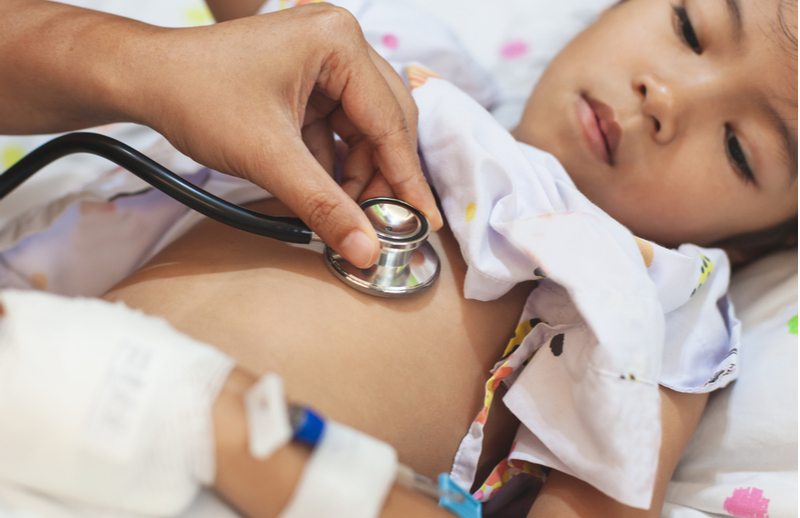
Key facts about heart disease
- Eight Australian babies are born with a congenital heart defect every week
- Infections and treatments for other diseases can cause acquired heart disease in childhood
- Surgical and medical advances now allow more than 80 per cent of children with heart disease to live into adulthood
- Children require tailor-made treatments and care to prevent their heart disease from progressing to heart failure
- For the first time in history, there are more adults than children living with childhood-diagnosed heart disease
- Eight Australian babies are born with a congenital heart defect every week
- Infections and treatments for other diseases can cause acquired heart disease in childhood
- Surgical and medical advances now allow more than 80 per cent of children with...
- Eight Australian babies are born with a congenital heart defect every week
- Infections and treatments for other diseases can cause acquired heart disease in childhood
- Surgical and medical advances now allow more than 80 per cent of children with heart disease to live into adulthood
- Children require tailor-made treatments and care to prevent their heart disease from progressing to heart failure
- For the first time in history, there are more adults than children living with childhood-diagnosed heart disease
Our vision
A strategic and collaborative program aiming to prevent or delay the onset of heart failure in infants, children, and the adults they will become.
Our aim
Foster a vibrant, sustainable and multi-disciplinary research environment to understand the origins of heart disease and deliver innovative interventions for infants, children and the adults they will become.
Key Flagship activities
The Heart Flagship program consists of the following key activities:
- Established research pipeline that goes through several steps (biobanking, clinical registries, genomic diagnostics and disease modelling) before it becomes a therapy for patients.
- Stem Cell Medicine program encompassing stem cell medicine through to clinical trials, with strong links to the reNEW program.
- World-class drug and cell therapy research program by our Heart Regeneration group to treat the increasing prevalence of heart failure in children.
- The Australian National Standards of care for Childhood-onset Heart Disease standards describe what excellent, coordinated, patient- and family-centred care looks like for children with CoHD.
- National analysis of disease and economic burden to inform hospital and healthcare planning.
- Strategic partnership with HeartKids, the main not-for-profit organisation supporting patients and families affected by childhood heart disease in Australia.
- Our Heart Patient Advocacy Group (PAG) provides a voice for the Childhood Heart Disease (CHD) community on Campus and drives key activities within the Flagship.
More on our Heart Patient Advocacy Group
Our Flagship members
Heart Disease group
Our vision is to develop new treatments for children with cardiotoxic heart damage and cardiomyopathies.
Heart Regeneration group
Our vision is to transform the treatment of childhood heart disease using stem cell technologies.
Heart research group
Helping patients and their families manage heart disease. Our group studies many aspects related to cardiovascular health in children.
The Royal Children's Hospital (RCH) Cardiology
The Cardiology Department at RCH provides a diagnostic and treatment service for patients referred with actual, or suspected, heart disease.
RCH Cardiac Surgery
The RCH Cardiac Unit provides comprehensive care for neonates, infants, children, and young adults.
RCH Paediatric Intensive Care (PICU)
PICU provides intensive care services to critically ill infants, children and young people in Tasmania, Victoria and southern New South Wales.
Transcriptomic and Bioinformatics
We’re mining our genomic information to uncover the underlying genetic causes of congenital diseases, such as congenital heart disease (CHD).
Steering committee
The leadership team consists of representatives from across:
- Stem Cell Medicine and Clinical Sciences research areas at MCRI
- Departments of Cardiac Surgery, Cardiology and Paediatric Intensive Care at The Royal Children's Hospital (RCH)
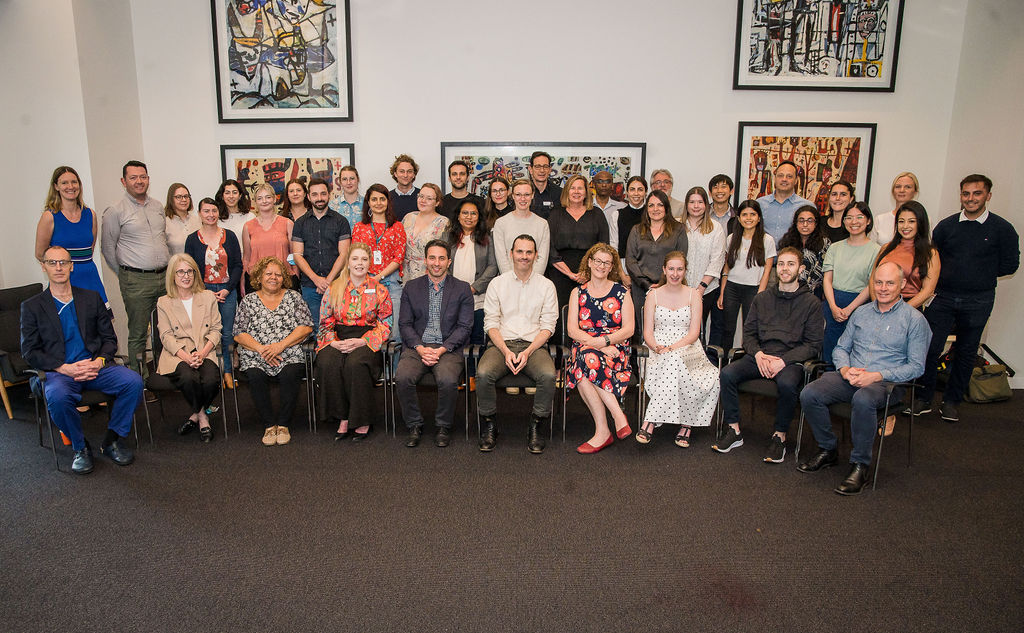
Committee members
- Professor Enzo Porrello, Flagship lead, Stem Cell Medicine, MCRI
- Professor Michael Cheung, Cardiology, The Royal Children's Hospital (RCH)
- Professor Christian Brizard, Cardiac Surgery, RCH
- Professor Salvatore Pepe, Clinical Sciences, MCRI
- Dr Siva Namachivayam, Paediatric Intensive Care Unit (PICU) RCH
- Dr Adam Piers, Program Manager, Stem Cell Medicine, MCRI
Image: Heart Flagship team.
- Professor Enzo Porrello, Flagship lead, Stem Cell Medicine, MCRI
- Professor Michael Cheung, Cardiology, The Royal Children's Hospital (RCH)
- Professor Christian Brizard, Cardiac Surgery, RCH
- Professor Salvatore Pepe, Clinical Sciences, MCRI
- Dr...
- Professor Enzo Porrello, Flagship lead, Stem Cell Medicine, MCRI
- Professor Michael Cheung, Cardiology, The Royal Children's Hospital (RCH)
- Professor Christian Brizard, Cardiac Surgery, RCH
- Professor Salvatore Pepe, Clinical Sciences, MCRI
- Dr Siva Namachivayam, Paediatric Intensive Care Unit (PICU) RCH
- Dr Adam Piers, Program Manager, Stem Cell Medicine, MCRI
Image: Heart Flagship team.
More information
RCH Advanced Heart Failure Programme
This RCH Grand Rounds presents the program for severe heart failure including its history, regulatory structure, circulatory support options, surgical techniques, transplant outcomes, and the multidisciplined research underpinning this program.
HeartKids From the Heart Podcas
Listen to fantastic podcasts by our very own Netty Gaulton (Heart Patient Advocacy Group), MCRI Associate Professor Mirana Ramialison and May Chan and Bambang Kurnia from RCH Cardiac Surgery.
Contact us
For queries about the Heart Flagship please email us: show email address
Heart news

MCRI’s 40th Anniversary Gala celebrates four decades of discovery

Multi-pronged plan to address childhood obesity crisis

Accelerating discoveries into genetic and childhood heart diseases

Denmark’s Queen Mary and King Frederik tour MCRI

New biotech company to accelerate treatments for heart disease

Celebrating Australian excellence across the arts and sciences

Artwork from the heart

Heart Foundation Future Leader fellowship for Dr Holly Voges

Infant and family wellbeing after cardiac surgery: life as a pre-schooler

Decoding Broken Hearts

Old mates come together for MCRI

Studying rheumatic heart disease in a dish