
Cancer Therapies
Transforming cancer care by preventing side effects before they happen.
Today, most children will survive their cancer diagnosis, yet many are left with life-long health complications because of cancer treatment.
The Cancer Therapies group is an interdisciplinary team of clinicians, pharmacists and scientists who aim to increase understanding of how and why children react positively and negatively to cancer treatment.
Our research focus
We aim to:
- Predict which children will experience complications from cancer treatment
- Protect children from cancer side effects
- Prioritise the unmet needs in treating our most vulnerable patient groups.
Ultimately, we want to reduce the unwanted side effects of treatment and improve the quality of life of children with a cancer diagnosis.
Our research is broken up into three key areas:
Prediction
Our Predict program aims to develop ways of detecting when a treatment side effect is going to occur.
We coordinate large clinical, genetic and physiological databases and bioinformatic analysis to identify patients at greatest risk (e.g. Australian Cardio-Oncology Registry (ACOR) and Biobank, Wearables Study).
Protection
In our Protect program, we lead national and state wide clinical trials to determine if pre-emptive genetic testing of patients can guide how certain drugs are prescribed.
To advance personalised approaches to medicine, we will also perform laboratory experiments of stem cell derived tissues from real patients to model drug reactions and identify new protectant compounds.
This work is done in collaboration with Associate Professors David Elliott and Richard Mills.
Prioritisation
Finally, our Prioritise program involves new large-scale trials to identify and address the unmet need of high-risk patients (e.g. The Australian and New Zealand Children’s Haematology/Oncology Group endorsed BANIDCOOT Adaptive platform trial for haematopoietic stem cell transplant recipients).
Contact us
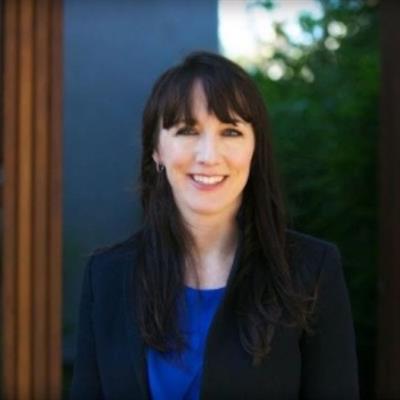
Prof Rachel Conyers
Group Leader/Senior Research Fellow
Email:
show email address
Group Leaders
Group Members


Our projects

AUS-POND: Australian Paediatric Pharmacogenetics Oncology Network for Drug Safety
Making cancer treatment safer and more effective for children and young people. AUS-POND is a new Australian program led by experts, working to make cancer treatment safer and more effective for children and adolescents.
Read more...
BANDICOOT Adaptive Platform Trial
BANDICOOT is a world‑first adaptive platform trial dedicated to improving the health outcomes of critically ill children undergoing haematopoietic stem cell transplant (HCT), also known as a bone marrow transplant.
Using an innovative adaptive platform trial design, BANDICOOT can test multiple treatments at the same time. This modern and flexible approach speeds up the discovery of effective therapies in a field where high‑quality clinical evidence has traditionally been limited.
Read more...
Bone Marrow Transplantation in Paediatrics Priority Partnership
Following the completion of our priority setting partnership, we have pleased to announce the top 10 research priorities for paediatric haematopoietic stem cell transplant.
This study is designed to improve the lives of children who are undergoing a bone marrow transplant (BMT).
Read more...
Investigating views toward gene therapy for severe combined immunodeficiency (SCID)
We are investigating perspectives into gene therapy for parents of children with severe combined immunodeficiency (SCID). Gene therapy is a technique that modifies a patient’s genes to help treat or cure diseases such as severe combined immunodeficiency (SCID). To learn more about people’s thoughts on gene therapy, we're asking the parents and carers of children with severe combined immunodeficiency (SCID) to share their experiences.
Read more...
MARVEL-PIC Study
MARVEL-PIC aims to assess whether prescribing medications according to pharmacogenomic (PGx) test results and international PGx guidelines is cost-effective and reduces adverse drug reactions in paediatric oncology patients.
Read more...
WEARABLES
Wearable technology and machine learning (AI) for early detection and risk assessment of unacceptable toxicities in paediatric oncology. This is a PhD project.
Read more...PEGASUS
PEGASUS aims to test the acceptability and feasibility of studying phenoconversion (the change in metabolism phenotype). We want to find out if a personalised approach to cancer therapy will reduce adverse drug reactions. To do this, we aim to test how patients affected by Hodgkin lymphoma or non-Hodgkin lymphoma can process certain medications in their liver. This will inform future studies in phenoconversion and enable a more personalised precision medicine.
BEAT 2 BEAT Study
Children undergoing cancer treatment generally require weekly ECGs, which is an additional burden and risk on patients and families. We aim to integrate the Apple Watch ECG feature to capture patient data remotely, allowing clinicians to observe data in real-time, without patients needing to come into hospital for a test. We want to reduce the need for lengthy hospital visits, keep patients and their families at home as much as possible, and make treatment more accessible for children with cancer.
Curate Therapies
Patients who have had a severe adverse drug reaction or severe toxicity from cancer therapy have donated their cells so that we can generate human induced pluripotent stem cells (hiPSCs). We can use these hiPSCs to model the biology of the patients who have had a severe reaction to learn more about why these patients have reacted in this way and if there is a way to prevent it in future.
Phase I/II Clinical Trial Stem Cell Gene Therapy in RAG1-Deficient SCID
Children with RAG-1 SCID do not have a working immune system which makes them susceptible to life-threatening infections. Without treatment, children born with the disorder will die from infection during their first year or two of life. In partnership with Leiden University Medical Center (LUMC), we will lead the clinical trial for children diagnosed with RAG-1 deficient Severe Combined Immunodeficiency (RAG-1 SCID).
BRUNO-PIC: Genotype informed Bayesian dosing of tacRolimUs iN solid Organ transplant-Pharmacogenomic Implementation in Children
Tacrolimus is a highly effective immunosuppressant for preventing rejection in solid organ transplantation (SOT). However, it has substantial pharmacokinetic variability, and inefficacies and side effects remain prevalent with current dosing. This includes acute rejection from inadequate dose (and drug concentrations) in the immediate post-transplant period, as well as rejection, donor-specific antibody formation and graft loss associated with time within therapeutic range over the subsequent 6-month period. For this study, the superiority of genotype-informed Bayesian dosing (which utilises previous information on the drugs behaviour) of tacrolimus over standard tacrolimus dosing will be assessed in a paediatric SOT cohort, based on improved control of drug exposure.
BRUNO-PIC will investigate the effectiveness of combining three precision approaches: pharmacogenomic testing for CYP3A4 and CYP3A5 genes and a Bayesian forecasting platform targeting trough or exposure target depending on metaboliser status. Together, these tools may lead to improved patient outcomes by more rapid target concentration attainment immediately post-transplant; and maximising time within therapeutic range in the initial eight weeks post-transplant across all SOT procedures in our young patients.
Funding
- Medical Research Future Fund
- National Heart Foundation
- reNEW Novo Nordisk Foundation Collaborative Grant
- Kids Cancer Project
- Children’s Cancer Foundation
- Royal Children’s Hospital Foundation
- My Room Children’s Cancer Charity
Collaborations
Featured publications
- A Halman, S Lunke, S Sadedin, C Moore, R Conyers Benchmarking pharmacogenomics genotyping tools: Performance analysis on short read sequencing samples and depth-dependent evaluation. Clinical and Translational Science 2024 17 (8) e13911
- R Conyers et al Minimising Adverse Drug Reactions and Verifying Economic Legitimacy – Pharmacogenomics implementation in Children (MARVEL-PIC): protocol for a national randomised controlled trial. BMJ Open 2024 14(5) e085115
- C Toro, B Felmingham, M Jhadav, A La Gerche, DA Elliott, R Conyers Lessons Learnt in the First Year of an Australian Pediatric Cardio-oncology Clinic BMC: Cardio-Oncology 2023 9 (1) 45.
- D Khatri, B Felmingham, C Moore, S Lazaraki, T Stenta, R Conyers Genotype Informed Bayesian Dosing in Paediatric Solid Organ Transplant Individuals. British Journal of Clinical Pharmacology 2024 15 August doi: 10.1111/bcp.16203.
- C Moore, S Lazaraki, T Stenta, M Alexander, R Phan Nguyen, DA Elliott, R Conyers A systematic review of knowledge, attitude and practice of pharmacogenomics pediatric oncology patients. Pharmacology Research and Perspectives 2023 DOI: 10.1002/prp2.1150
- C Toro, B Felmingham, S Jessop, DS Celermajer, RS Kotecha, Dinisha Govender, Diane Marie Terese Hanna, Matthew O'Connor, Rebecca Manudhane, Julian Ayer, John O'Sullivan, Michael Sullivan, Ben Costello, André La Gerche, Thomas Walwyn, Lisa Horvath, Marion K Mateos, Joy Fulbright, Mangesh Jadhav, Michael Cheung, David Eisenstat, David A Elliott*, Rachel Conyers* Cardio-oncology recommendations for pediatric oncology patients: an Australian and New Zealand Delphi Consensus. JACC: Advances 2022 1(5) 100155
- Claudia Toro, David A Elliott, Andre La Gerche, Peter W Lange, Francesca Bolk Bsc, Michael O’Sullivan, Kanika Bhatia, Rachel Conyers Optimal Detection of Cardiac Sequelae: The Need for Rigorous, Harmonised Magnetic Resonance Studies in Pediatric Survivors JACC Cardio Oncology 2021 3(1) pg 154-156
- D Lapirow, A La Gerche, C Toro, E Masango, B Costello, E Porrello…. D Elliott*, R Conyers* The Australian and New Zealand Cardio-Oncology Registry (ACOR): Evaluation of chemotherapy related cardiotoxicity in a national cohort of paediatric cancer patients Internal Medicine Journal 2021 51(2) 229-234
- Foulkes S, Costello BT, Howden EJ, Janssen K, Dillon H, Toro C, Elliott D, Conyers R* & La Gerche A* Exercise cardiovascular magnetic resonance imaging reveals reduced cardiac reserve in pediatric cancer survivors with impaired cardiopulmonary testing Journal of Cardiovascular Magnetic Resonance Imaging 2020 22(1) pg 1-10
- TN McOwan, L Craig, A Tripaydonis, K Karavendzas, M Cheung, E Porrello, R Conyers*, DA Elliott* Evaluating anthracycline associated single nucleotide polymorphisms in a paediatric cohort with early onset cardiomyopathy Cardio-Oncology 2020 6 (1) 1-6
Cancer news

Pioneering safer radiotherapy for children with cancer

Safeguarding children undergoing cancer treatments

Protecting children receiving cancer treatment from infections

Dr Sohinee Sarkar receives Strategic Research Fund Fellowship
AUS-POND: Australian Paediatric Pharmacogenetics Oncology Network for Drug Safety

NHMRC Ideas Grants to advance childhood treatments and diagnoses

Prof Kathryn North AC delivers inaugural keynote address for Marie Krogh Prize

Alleviating the cruel toll of cancer treatment

Pioneering project to provide safer childhood cancer treatments

MRFF grant to A/Prof Rachel Conyers to improve cancer treatment
WEARABLES
